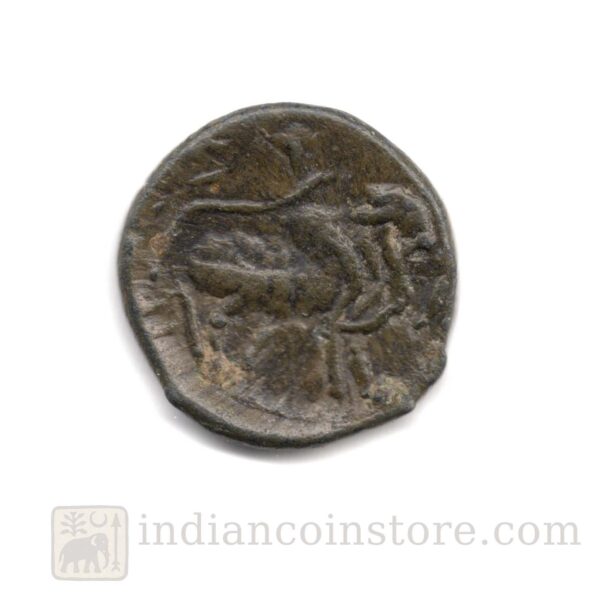
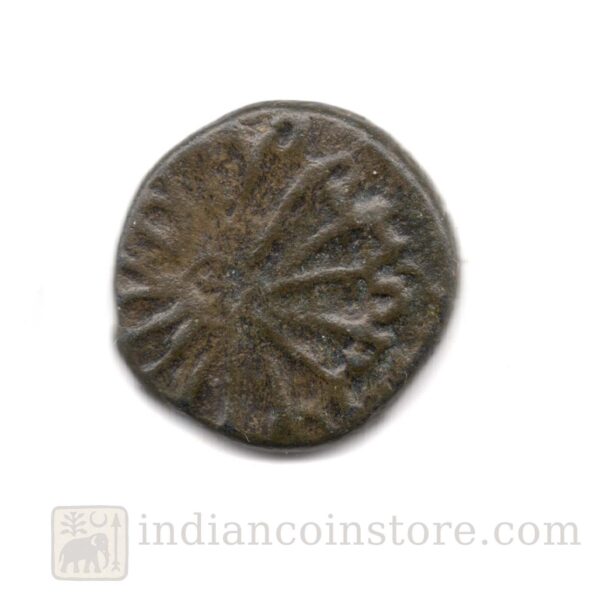
The Bull Series features one of the most ancient and powerful symbols in Indian numismatics. The bull motif appears across Sangam Age kingdoms—including the Pandya, Chera, Chola, and several tribal/territorial regions—and represents strength, fertility, trade, and spiritual significance.
Often linked to:
Early agrarian society and prosperity
Nandi symbolism associated with Shaivism
Regional Tamil cultural identity
Early temple, pastoral, and market-based economies
Bull Series coins commonly include:
Standing or humped bull motifs (zebu bull)
Punch-marked bull designs on early copper issues
Tamil-Brahmi legend variants
Geometric decorations, trees, hill symbols, lamps, chakras
Companion motifs like elephants, fish, and sun–moon elements
The bull was one of the most widely used symbols in South Indian coinage, appearing from 300 BCE to the early medieval era. Most coins were minted in copper/bronze, with rare exceptional silver variants.
Collectors prize Bull Series coins for their:
Deep cultural and spiritual associations
Clear, symbolic artistic representation
Variety of styles across regions and kingdoms
Role in understanding early Tamil society and Sangam trade
Strong historic value and numismatic charm
The Bull Series is essential for anyone collecting Sangam Age or South Indian ancient coins, offering timeless symbolism and an important link to early Tamil civilization.