

Licinius I AE Follis – Jupiter & Eagle IOVI CONSERVATORI – Siscia Mint, AD 313–316 M72
An original Ancient Roman bronze follis of Emperor Licinius I, who ruled from AD 308 to 324, struck at the important Roman imperial mint of Siscia.
This coin belongs to the well-known IOVI CONSERVATORI series celebrating Jupiter as protector of the emperor and the Roman state.
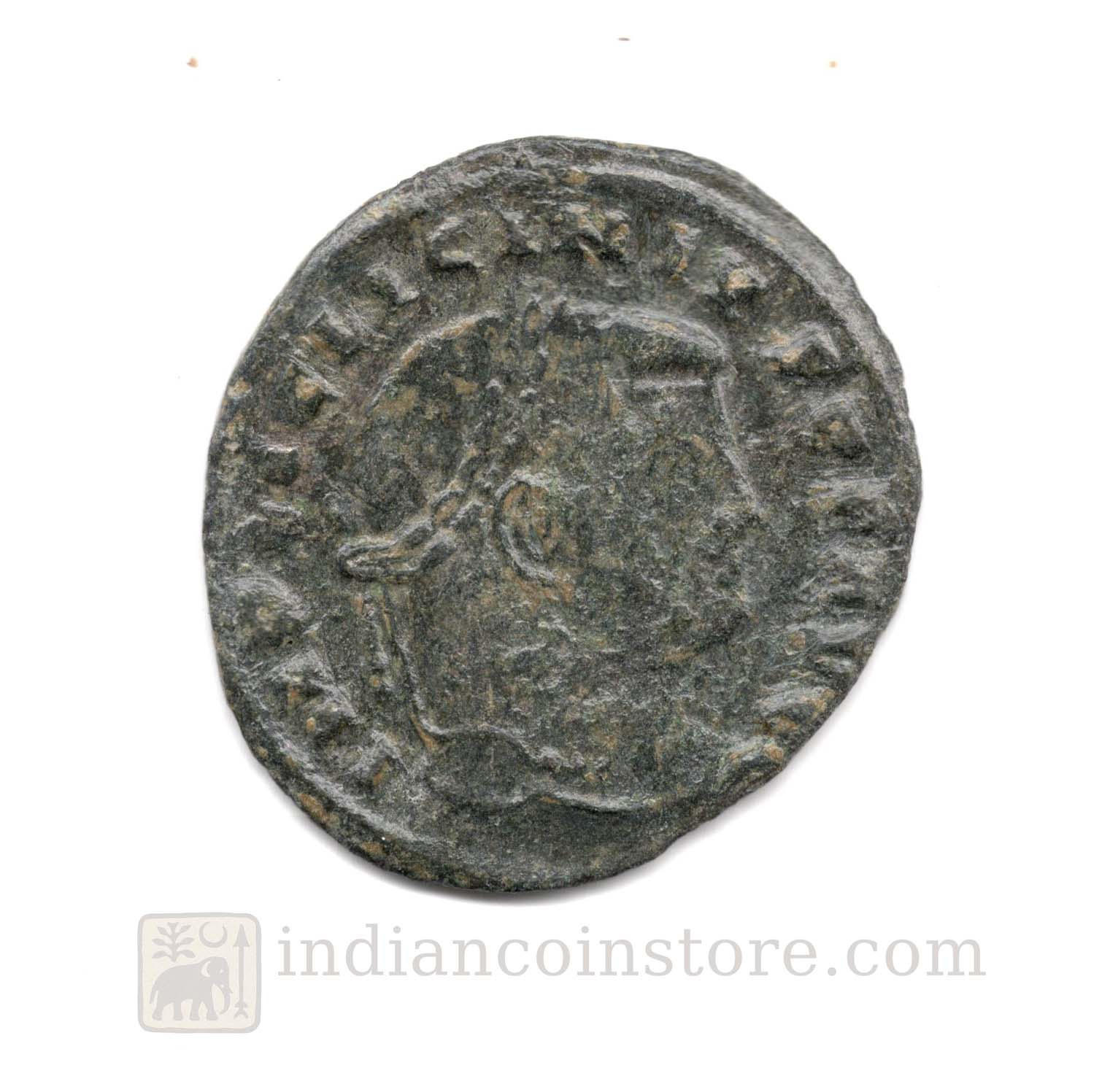
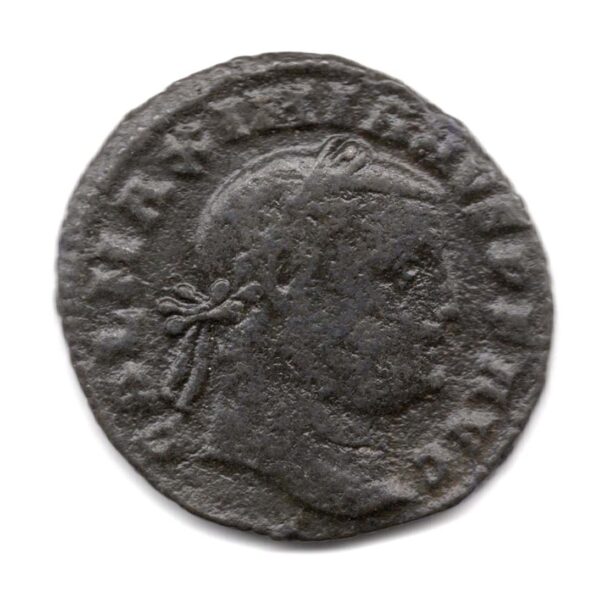
Obverse
Legend: IMP LIC... LICINIVS ... AVG
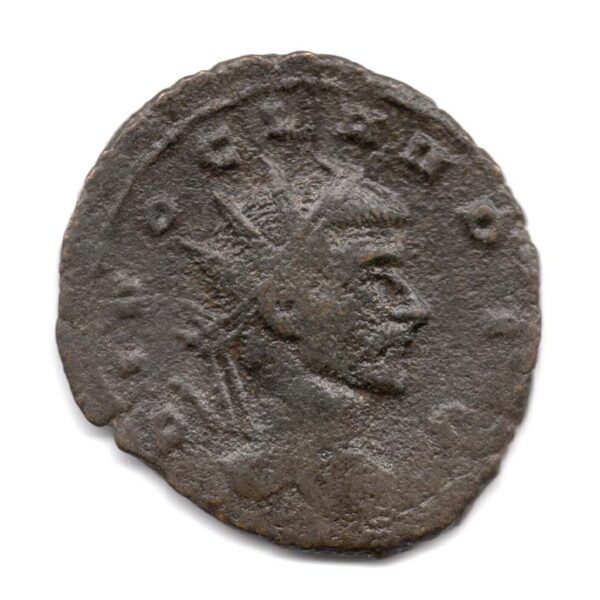
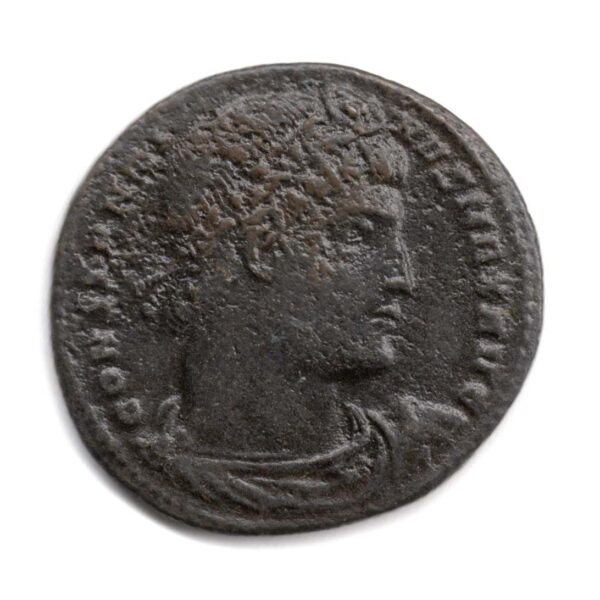
Laureate portrait of Emperor Licinius I facing right.
Licinius I ruled during the turbulent early 4th century and was initially an ally and later a rival of Constantine the Great.
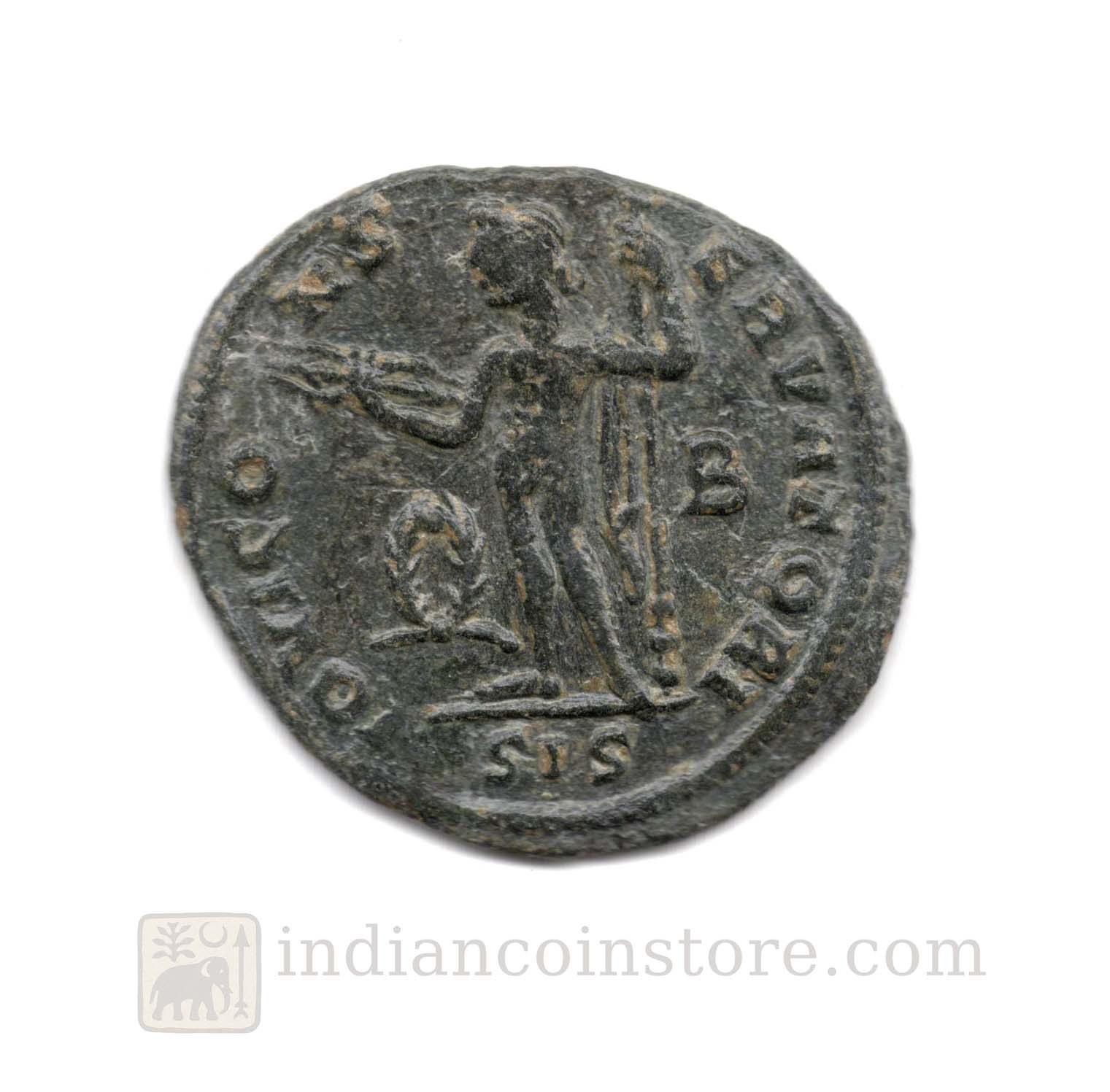
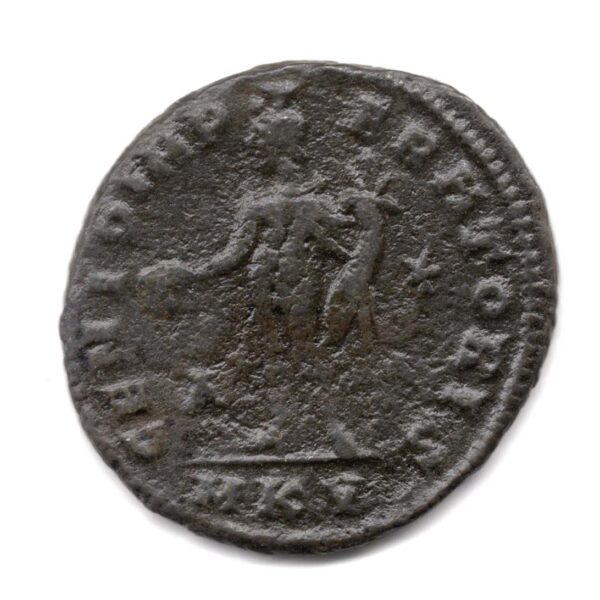
Reverse
Legend: IOVI CONSERVATORI
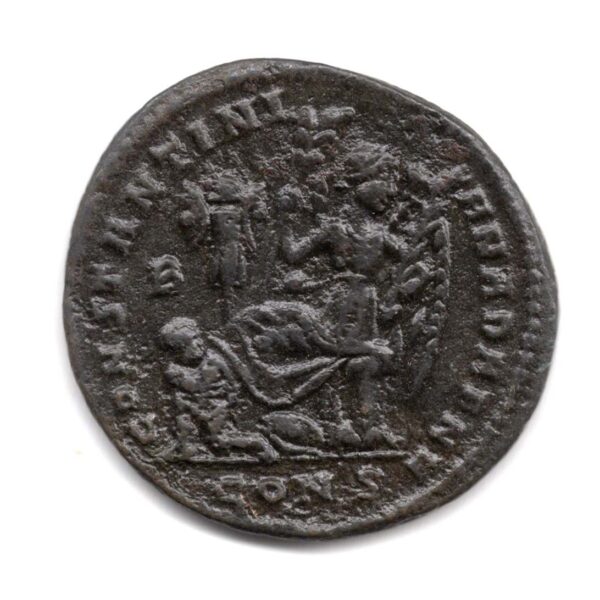
Jupiter standing left, holding a small figure of Victory on a globe in his right hand and a long sceptre in his left.
At Jupiter’s feet is an eagle, the traditional bird associated with Jupiter, shown holding a wreath in its beak.
A workshop/officina letter appears in the field.
Mintmark: SIS
The SIS mintmark identifies the coin as an issue of the Siscia mint, an important Roman imperial mint located in the region of modern Sisak, Croatia.
Coin Details
- Empire: Roman Empire
- Emperor: Licinius I
- Reign: AD 308–324
- Date: Approximately AD 313–316
- Denomination: AE Follis / Nummus
- Metal: Bronze
- Mint: Siscia
- Reverse Type: IOVI CONSERVATORI
- Reverse Design: Jupiter holding Victory and sceptre, eagle at foot
- Mintmark: SIS
- Period: Constantinian Dynasty / Late Roman Empire
- Reference: RIC VII Siscia series; exact variety requires confirmation of the complete legends, field mark and mintmark punctuation
Siscia produced several closely related Licinius I IOVI CONSERVATORI varieties during this period. Examples catalogued as RIC VII Siscia 8, 9, 11 and 17 differ in portrait style, titulature, officina marks and mintmark details.
Condition
Ancient circulated condition with considerable wear and a dark grey-green aged patina.
The portrait of Licinius remains identifiable, while the reverse preserves the principal design of Jupiter, Victory, sceptre and eagle. Portions of the surrounding legends and the important SIS mintmark remain visible.
Natural surface deposits, wear and irregularities are present, consistent with a bronze coin more than 1,700 years old.
The photographs show the actual coin offered.
Be the first to review “Licinius I AE Follis – Jupiter & Eagle IOVI CONSERVATORI – Siscia Mint, AD 313–316 M72”
Related products






Reviews
There are no reviews yet.